
Article Highlights
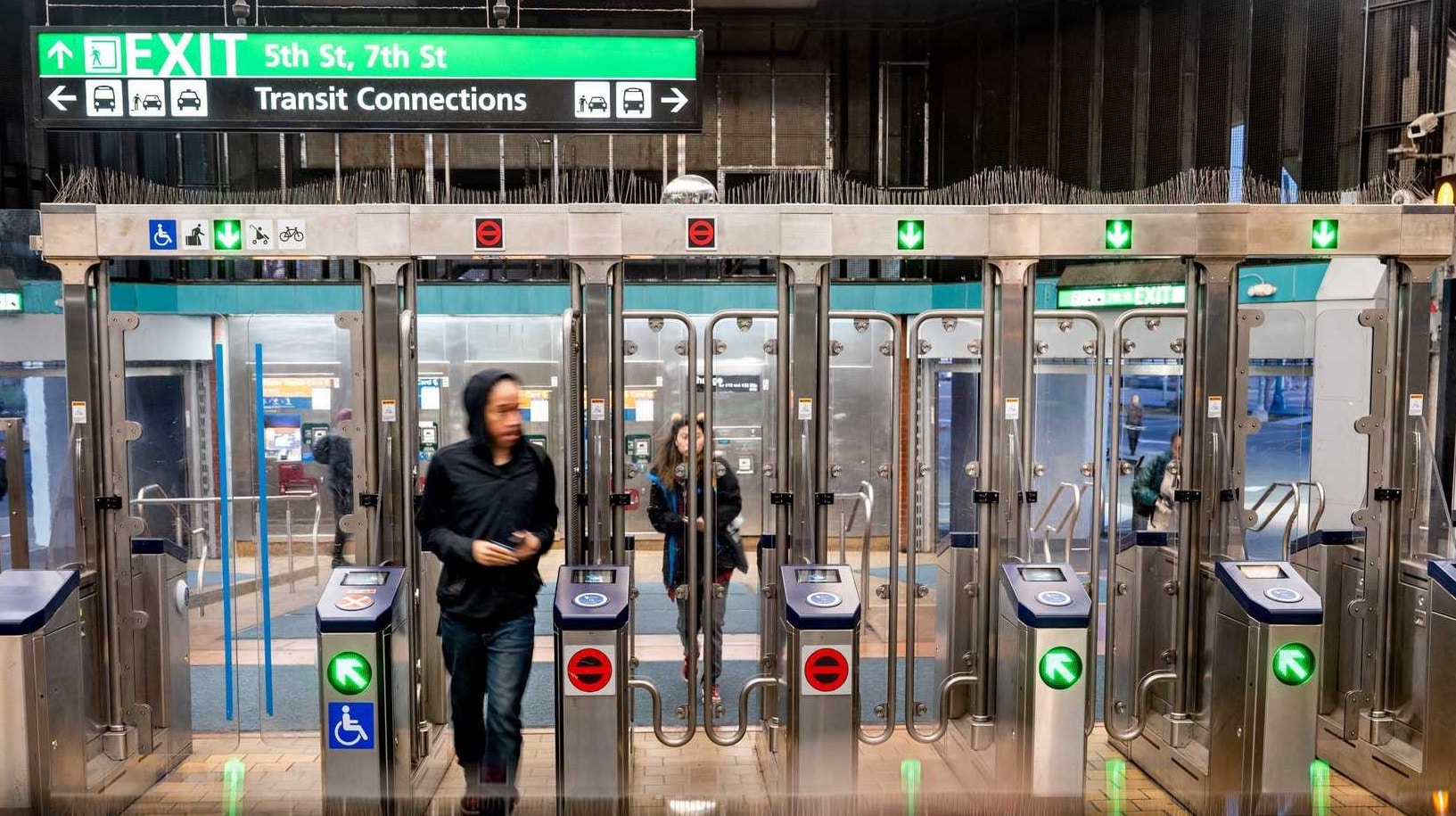
U.S. transit agencies are spending tens or hundreds of millions to replace their aging fare gates. One driving force is to introduce measures to thwart fare evaders, which cost agencies billions. Fare-system vendors see an opportunity.
• Table: U.S. gate replacement projects, featuring measures vs. fare evasion, Jan. 2026
• MTA (New York)
• WMATA (Washington, D.C.)
• BART (San Francisco)
• Conduent
• STraffic
• Cubic
• Scheidt & Bachmann
• NJ Transit
• SEPTA (Philadelphia)
• LA Metro (Los Angeles)
• Sound Transit (Seattle)
• MARTA (Atlanta)
• INIT
Transit agencies in the U.S. and beyond are spending tens or hundreds of millions of dollars–and, in the case of the New York’s Metropolitan Transportation Authority, potentially more than a billion–as they replace aging gates and seek to combat fare evasion.
Fare evasion costs taxpayers billions globally in lost revenue every year. It hits all transport modes, including fixed-route buses and light rail. But subway and other heavy rail metro systems are getting much of the attention, as agencies seek to deploy new gates to try to cut their losses. Among the most active markets is the U.S.