
Article Highlights
Transit agencies serving World Cup host cities saw strong ridership during the event and praised the performance of open-loop payments. But some problems cropped up, including reports of fare evasion and a ticketing malfunction.
• Document: Situation Report, MARTA, Atlanta, June 2026
• Report: “The Final Numbers Are In,” LA Metro, July 2026
• MARTA (Atlanta)
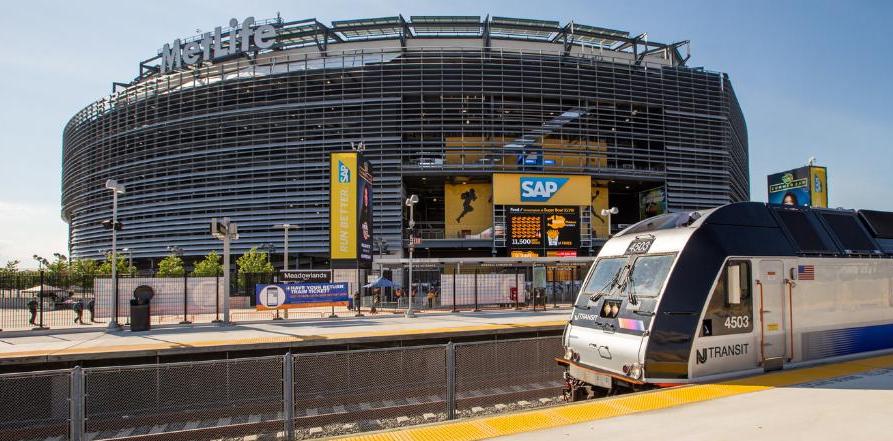
• NJ Transit (New Jersey)
• VTA (Santa Clara, CA)
• MBTA (Boston)
• MTC (San Francisco)
• BART (San Francisco)
• SEPTA (Philadelphia)
• LA Metro (Los Angeles)
• KCATA (Kansas City)
• DART (Dallas)
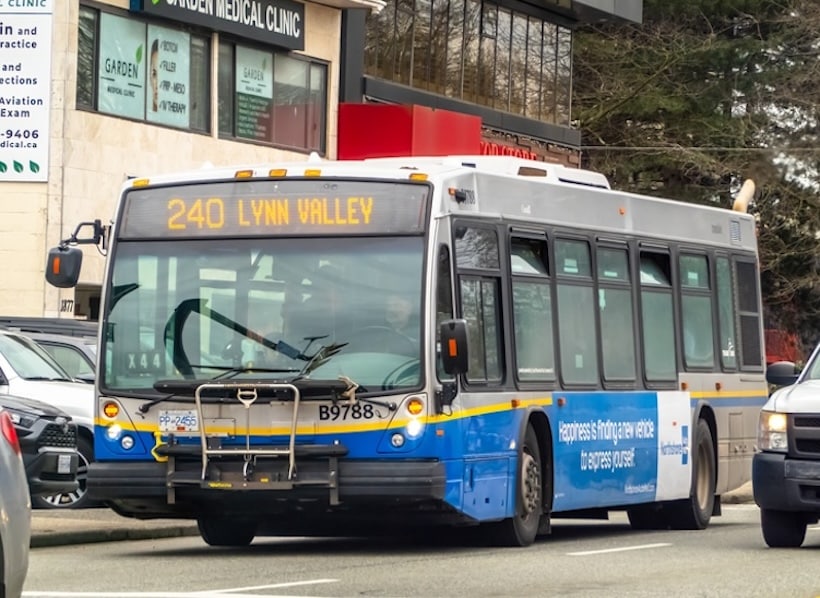
• TransLink (Vancouver)
• INIT
• Masabi
• Token Transit
Transit agencies throughout North American cities hosting 2026 FIFA World Cup matches put their fare-collection systems to the ultimate stress test during 39 days of the event.
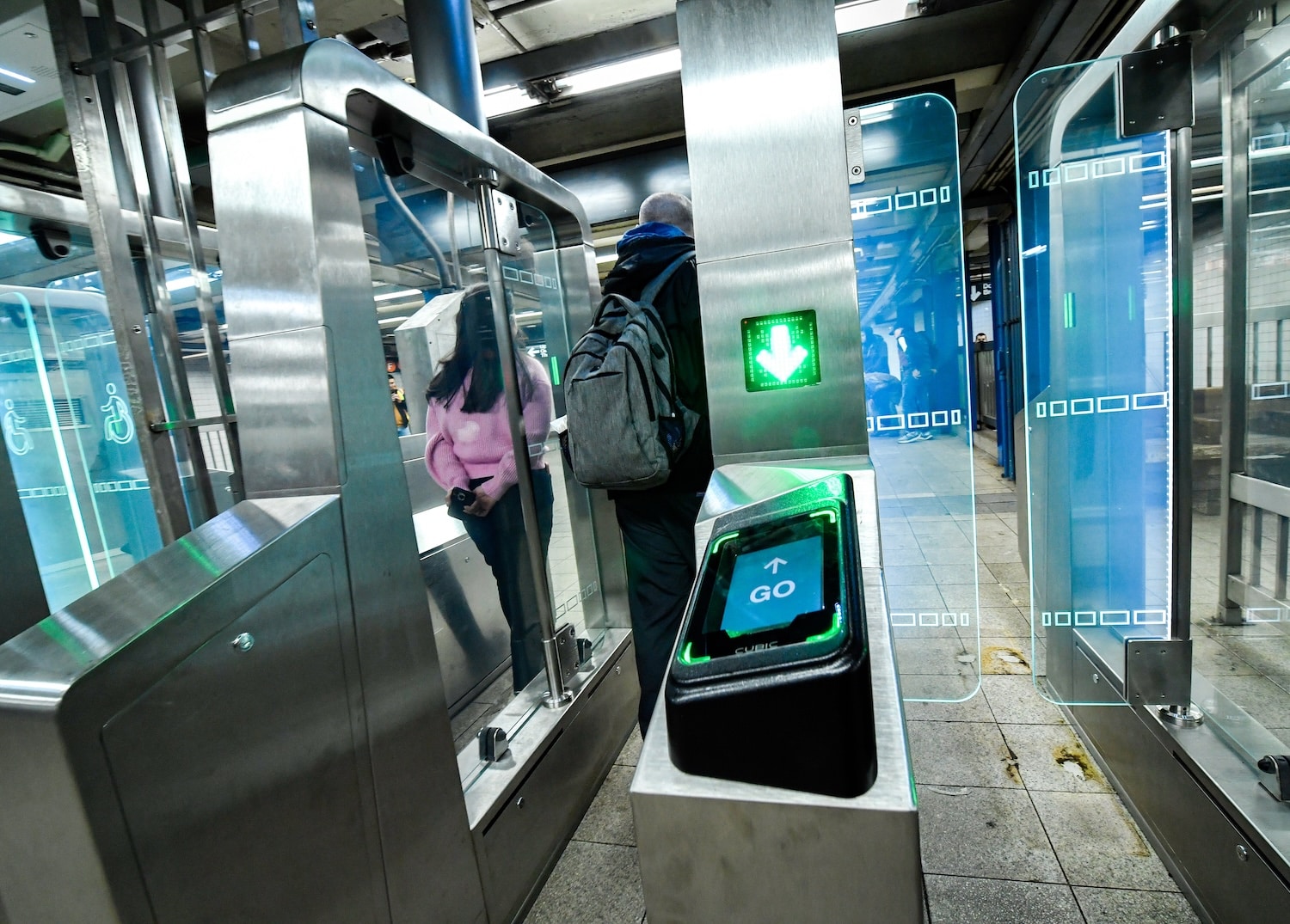
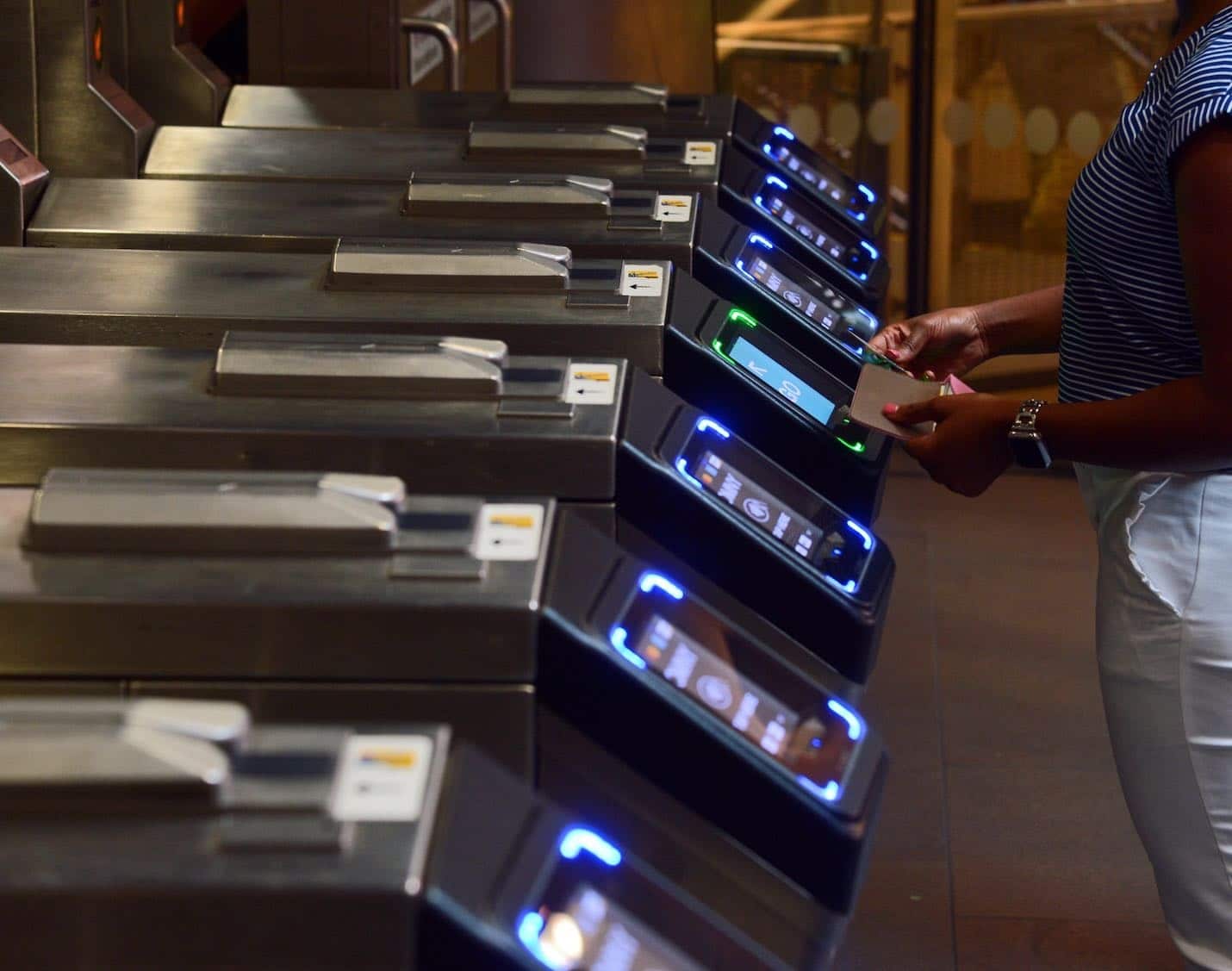
The verdict: Fare systems largely handled the load well. In particular, open-loop payments–offered by all transit agencies of cities hosting matches in the U.S. and Canada–stood out. A “game changer,” pronounced one agency, the Metropolitan Atlanta Rapid Transit Authority, or MARTA, in Atlanta. Open-loop technology enabled transit agencies to more easily collect fares from what key agencies said were record numbers of visitors.
To be sure, there were challenges in fare collection during the matches. Among them: