
Article Highlights
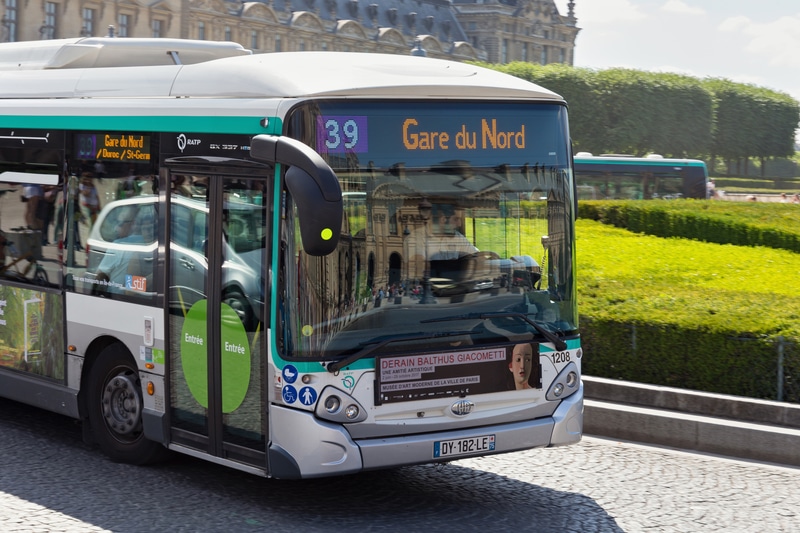
Paris transport authority Île-de-France Mobilités, long resisting a move to open-loop payments, has introduced the technology on buses. But it declines to commit to a full rollout.
Most significantly, Île-de-France Mobilités said it has not yet decided whether to expand open loop to its largest transport mode, the Paris Métro, which accounted for fully one-third of the 4.4 billion trips riders took on various transport modes across the region in 2024.
• IDFM (Paris)
• Paris Métro
• RATP (France)
• SNCF (France)
• Conduent
• Flowbird
• Hitachi Rail
• Cubic
• Indra
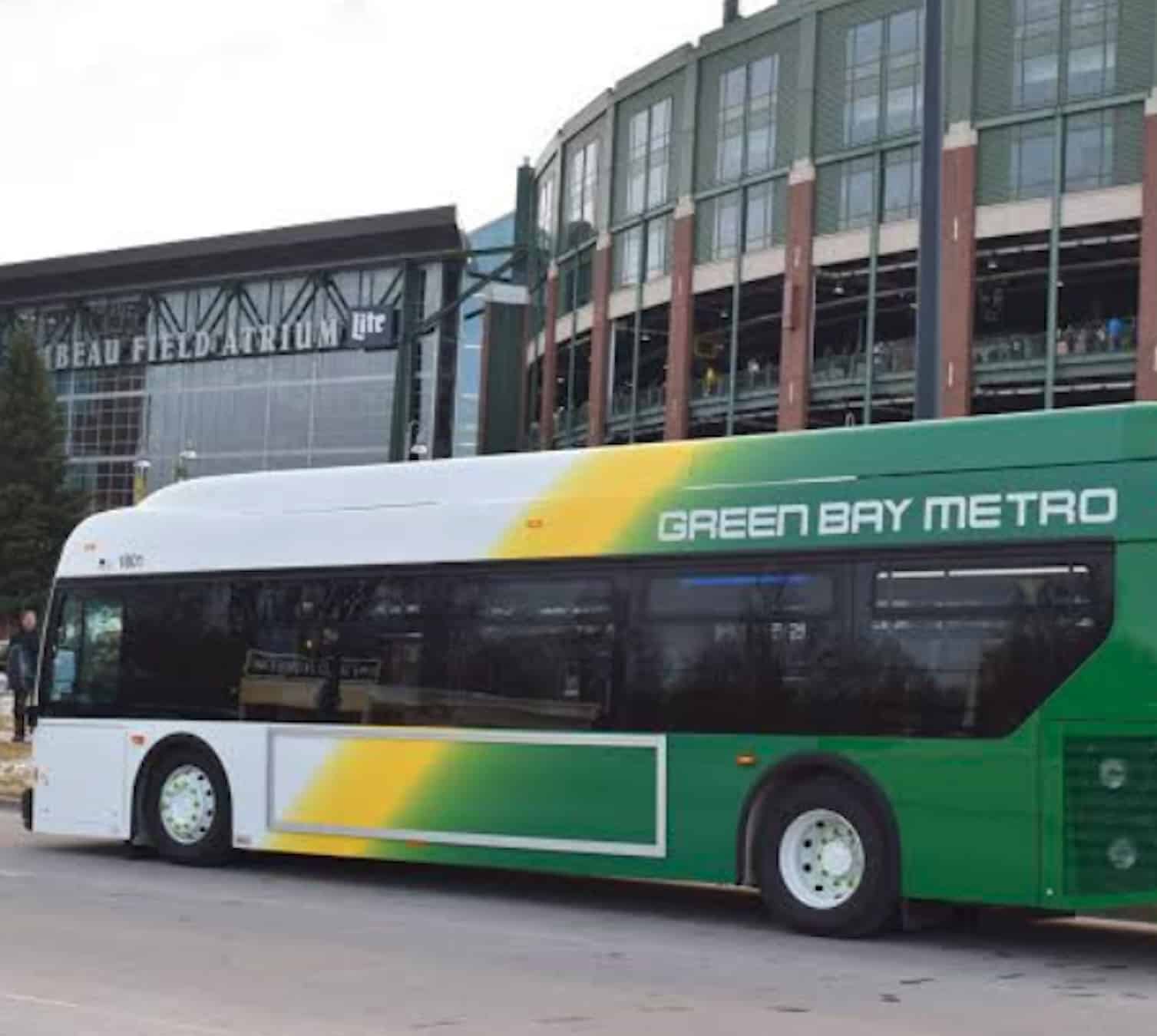
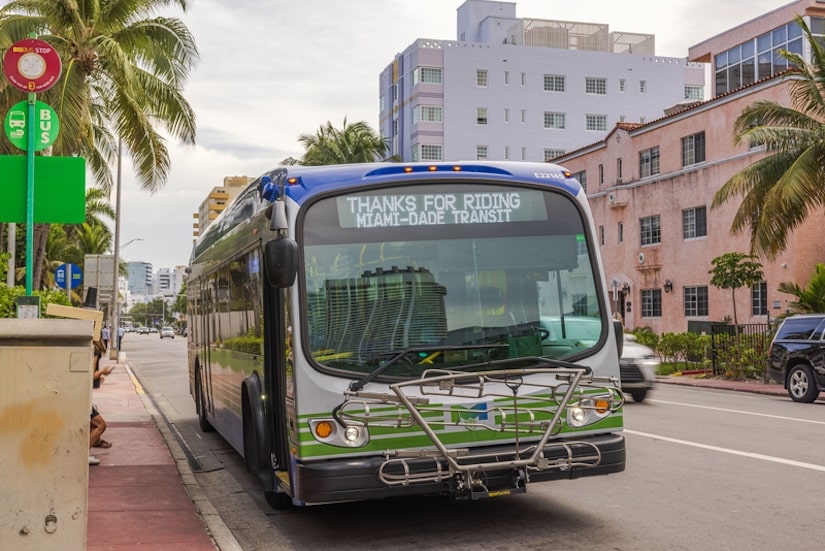
When Paris regional transport authority Île-de-France Mobilités recently announced it was supporting open-loop payments on board buses, backers of the technology hailed the move as confirmation that one of the last major European capitals had dropped its resistance to bank-card payments of fares.
There is still a long way to go, however, say industry observers. While there appears to be growing support for a larger rollout of the technology within the transport authority, there will be no London-style embrace of open loop in Paris, the observers say.
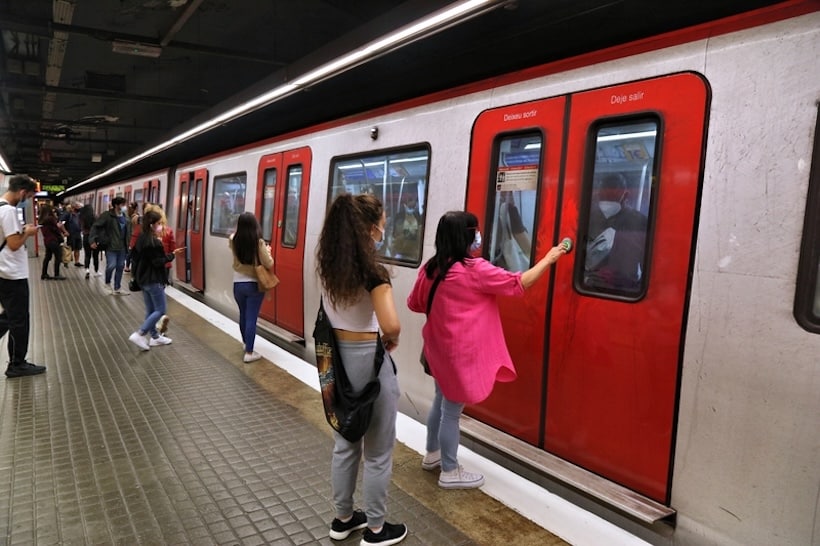
Most significantly, Île-de-France Mobilités, or IDFM, said it has not yet decided whether to expand open loop to its largest transport mode, the Paris Métro, which accounted for fully one-third of the 4.4 billion trips riders took on various transport modes across the region in 2024. (By comparison, all bus trips throughout Paris and the inner and outer suburbs around the city made up 27% of total rides last year.)
When asked by Mobility Payments whether the authority planned to expand open loop to the métro, a spokesman for IDFM would only say that the agency “has a study currently underway for the rail network to determine the feasibility of implementing open-payment solutions for certain more ‘touristy’ stops and to assess the cost.” (The Paris Métro charges a flat fare.)
It’s unclear how the agency would choose which stops it would equip with validators accepting credit and debit cards and credentials in mobile wallets, since tourists travel throughout the city and beyond.
In addition to the authority not yet supporting open loop on the métro or limiting where riders could use it if it does, IDFM is also restricting bank-card fare payments to single rides. The open-loop service on board Paris buses is mainly to replace the small single-ride paper tickets that transport operators stopped selling last month, confirmed an IDFM spokesman.
The authority encourages local riders to use closed-loop Navigo, which IDFM points out will cost them much less for a single ride: €1.60 to €2, compared with €2.50 (US$2.91) for riders using the pay-as-you-go open-payments option.
IDFM obviously sees open loop as an option largely for tourists and other occasional riders, while discounts with Navigo monthly passes and other Navigo products, including virtual Navigo cards on smartphones are intended for the large majority of local, regular riders using the Paris public transport system. Navigo is based on Calypso technology.
That is same approach that the dozens of smaller cities and towns in France that already accept bank cards and open-loop credentials in mobile wallets have been taking.
Momentum Shifting on Open Loop
Still, it seems likely that IDFM will ultimately extend open loop to rail in some form. The two major state-owned transport operators serving the region, RATP and SNCF, both seem to be more amenable now to open loop. RATP runs the Paris Métro and buses in Paris and many of the suburbs, along with trams and some suburban trains. SNCF, the national rail operator, runs many of the region’s suburban trains, as well.
Both bosses of RATP and SNCF are appointed or nominated by the French president. And French politics influences decision-making about fare policy and open loop.
As Mobility Payments reported in June, prodding by former French prime minister Jean Castex, then CEO and chairman of RATP Group, was largely responsible for IDFM agreeing to conduct a “feasibility study” on open loop last summer. Among other things, the study sought to get at the true costs of the technology for the Paris region, according to a local report. Some elected officials also reportedly pushed for this move. Castex in October was appointed CEO of SNCF.
Backers of the technology, including some French politicians, point out that pay-as-you-go open loop would enable riders to avoid ticket-vending machines, ticket counters and online top-up sites, and they could also ignore often complex tariff tables,
Some IDFM officials in the past have countered that supporting open loop would be costly, with one estimate concluding it would cost taxpayers about €100 million (US$117 million) in capital expenditures alone to roll out acceptance of bank cards and credentials, mainly to upgrade up to 40,000 validators. Some estimates have run as high as €160 million. Those estimates appeared to be high.
One of the most important decision-makers on whether IDFM pursues open loop in a bigger way is a politician herself, Valérie Pécresse, who is president of the Île-de-France Regional Council, an elected post. This made her president of IDFM, as well. Pécresse ran as a candidate for French president in 2022 and may do so again in 2027.
It’s unclear where Pécresse stands exactly on open loop. She presided over the decision not to introduce open loop to serve the millions of visitors to Paris for the Summer Olympics last year, many of them foreigners. IDFM instead largely opted to promote mobile Navigo. But recently she did engage in photo ops of paying with a bank card on a Paris bus.
Paris Upgrade could Represent Major Opportunity for Vendors
Open-loop payments implemented on the Paris buses uses standalone validators supplied by Conduent Transportation, likely with software from France-based supplier Flowbird.
As of late last month, open loop was live on more than 1,000 buses serving Paris and the inner suburbs. An IDFM spokesman told Mobility Payments that the authority oversees 10,500 buses in the region, adding that the agency plans “to develop this (open-payments) solution on all buses and coaches in the future.”
The new validators on the first 1,000-plus buses and those in the future are probably part of a contract that Conduent and Flowbird had announced in early 2021. The contract, with IDFM and its ticketing subsidiary Comutitres, called for a 10-year fare project covering Paris-area buses and trams–including replacing “all Ile-de-France bus and tram onboard ticketing platforms with next-generation technology.”
Conduent separately is believed to have supplied gates to rail operator SNCF, so if IDFM expands open loop to suburban trains operated by SNCF, the vendor would likely get more business upgrading the gates.
The same may be true for Hitachi Rail if the authority expands open loop to the Paris Métro. Hitachi Rail acquired France-based Thales GTS, supplier of gates for the Grand Paris Express project, which will expand the métro by four lines and has already extended one existing line. The expansions have been delayed.
Conduent also provides its Atlas back office to IDFM, although it’s been described as a sort of hub for transport operators own back offices, including those from RATP and SNCF. The authority is not believed to be seeking an upgrade by Conduent of the latter’s card-based back office.
But IDFM might be considering a larger upgrade of its fare system to support account-based ticketing, including a new back office, said a source. This upgrade would also roll out open-loop payments more broadly.
This type of large contract would have to be put out for tenders under EU rules and would no doubt attract such large fare-system suppliers as Conduent, Hitachi Rail, Cubic Transportation Systems and Indra Systems.
But this possible contract is only among the options that IDFM is now considering.
© Mobility Payments and Forthwrite Media. Mobility Payments content is for individual use and cannot be copied or distributed without the express permission of the publisher.