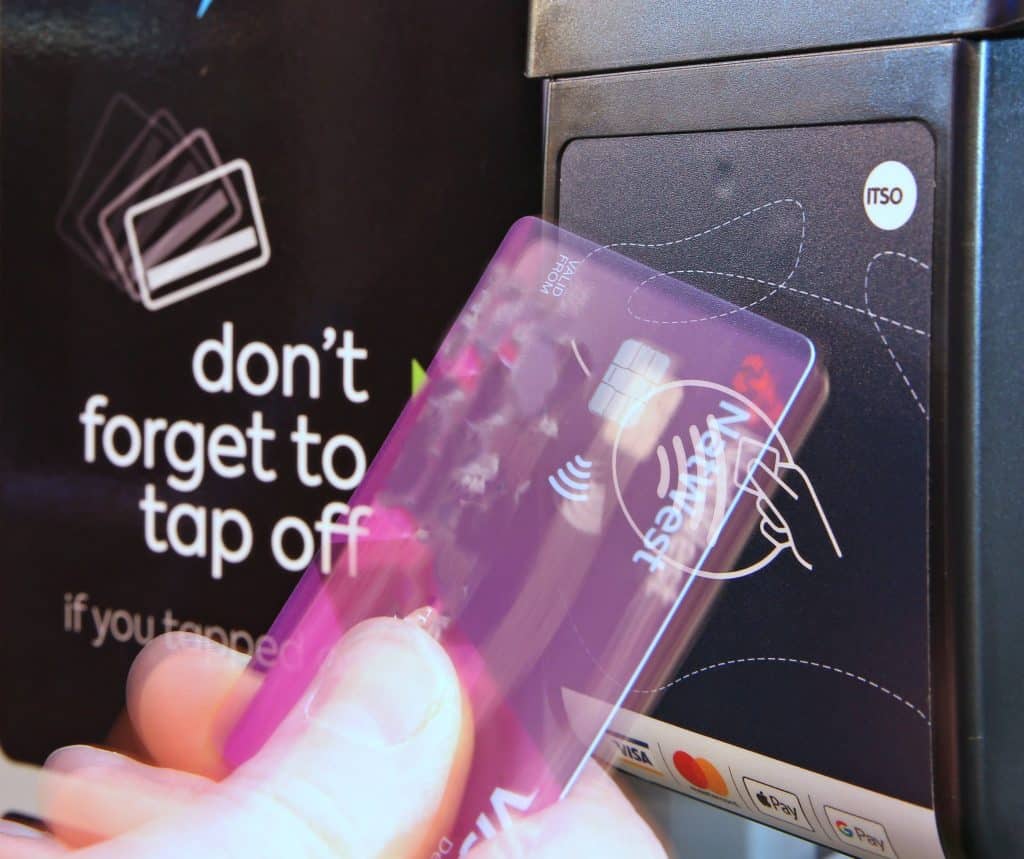
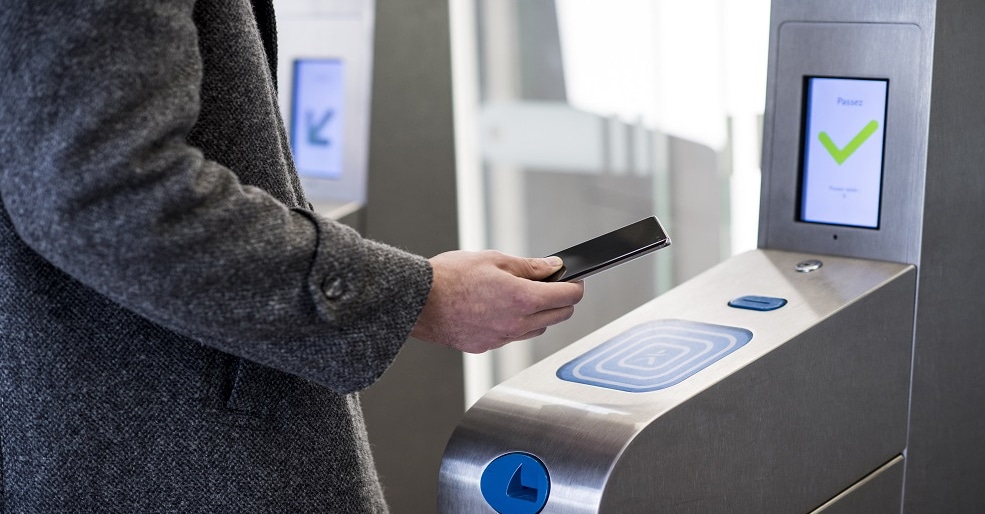
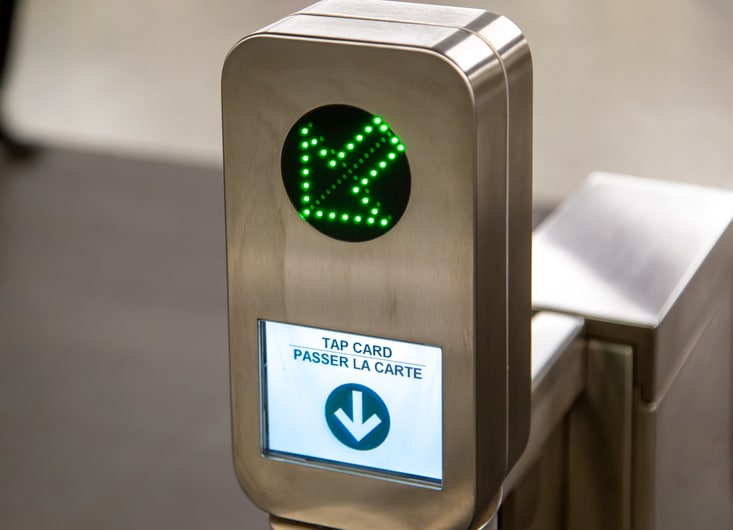
Users of open-loop payments in France are mainly tourists and occasional riders paying for single tickets–not the transit agencies’ regular customers–the head of a company that implements closed-loop mobile NFC ticketing in France, told Mobility...
Transit agencies continue to see long lead times on their closed-loop card orders because of supply-chain issues, and the situation is unlikely to improve this year. [...]
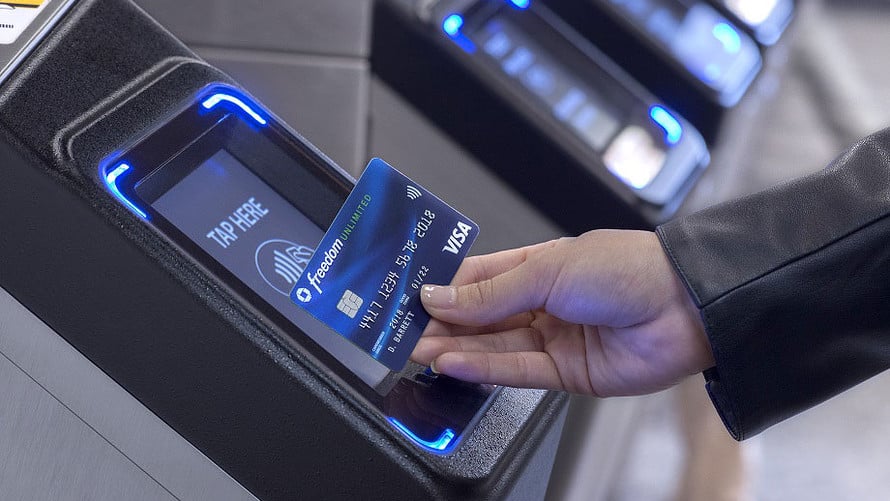
A wide range of U.S. merchants pay the same fixed debit card fees based on interchange, including supermarkets, gasoline stations, restaurants and hotels. But transit agencies accepting open-loop payments appear to be are among the hardest hit by these fees...
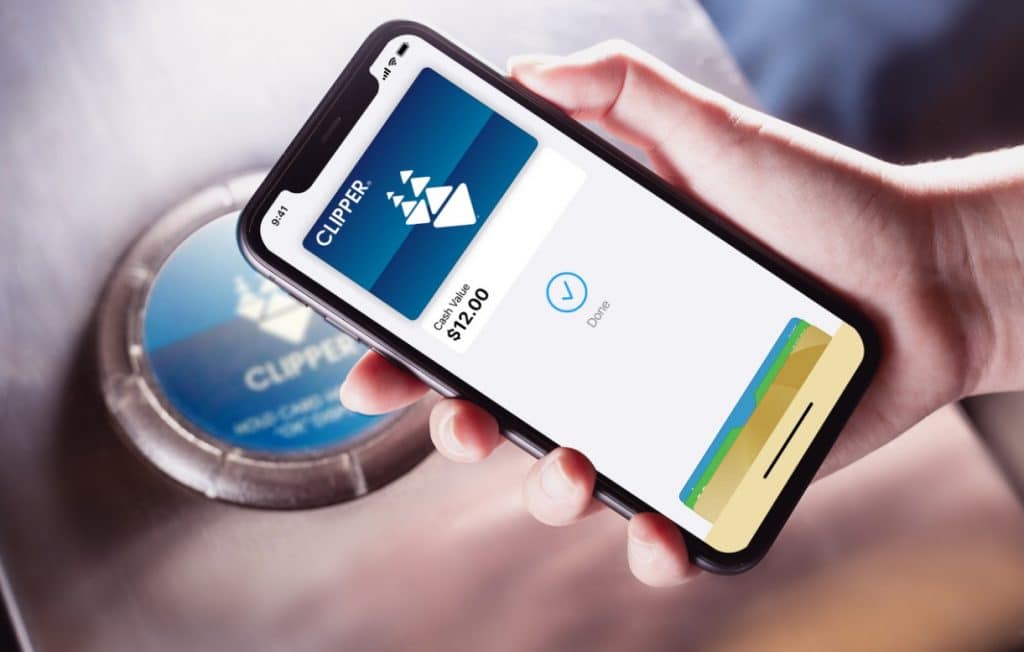
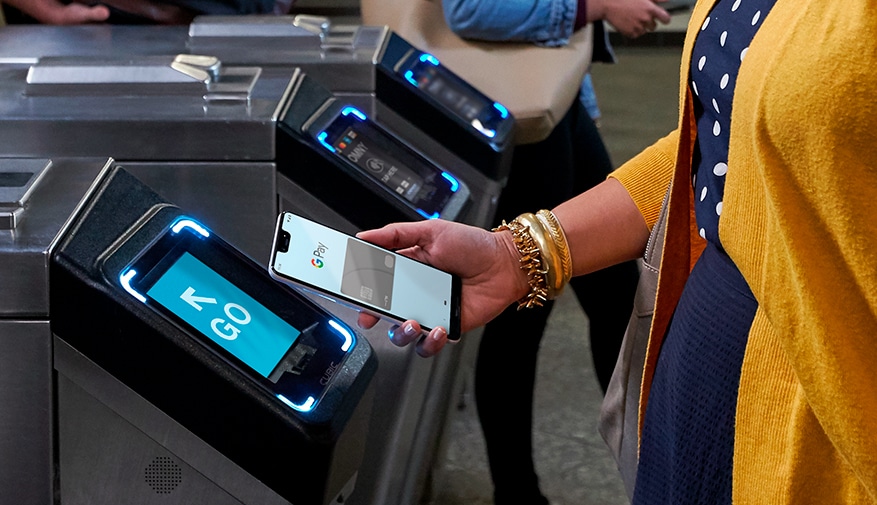
Riders on the Tyne and Wear Metro in North East England are now able to tap to pay for pay-as-you-go fares with a digital version of the closed-loop Pop card in Google Pay. [...]
Transit agencies planning to roll out new electronic fare-collection systems have typically hired automated fare-collection vendors to handle the entire projects, from supplying the validators and payments processing to building or procuring the back office...
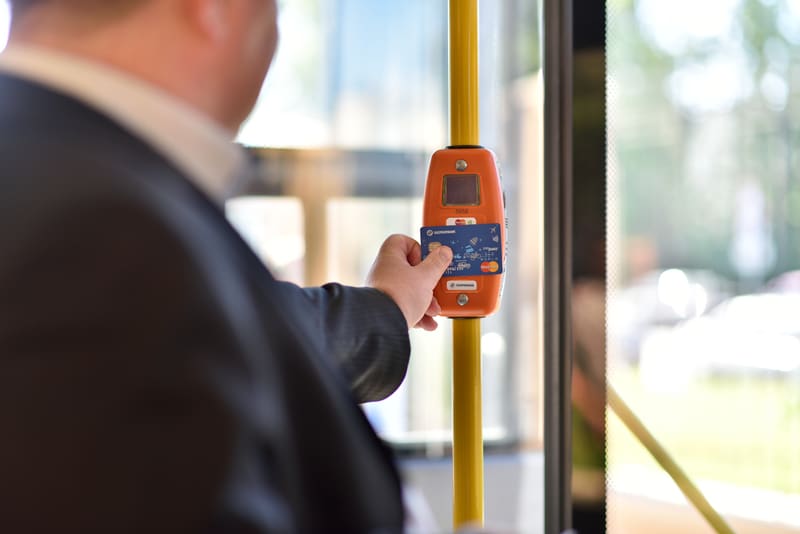
One of the main selling points for open-loop payments is that it offers a form of interoperability that enables riders to use the same credit or debit card to pay their fares whether they ride in London, New York or Singapore. [...]
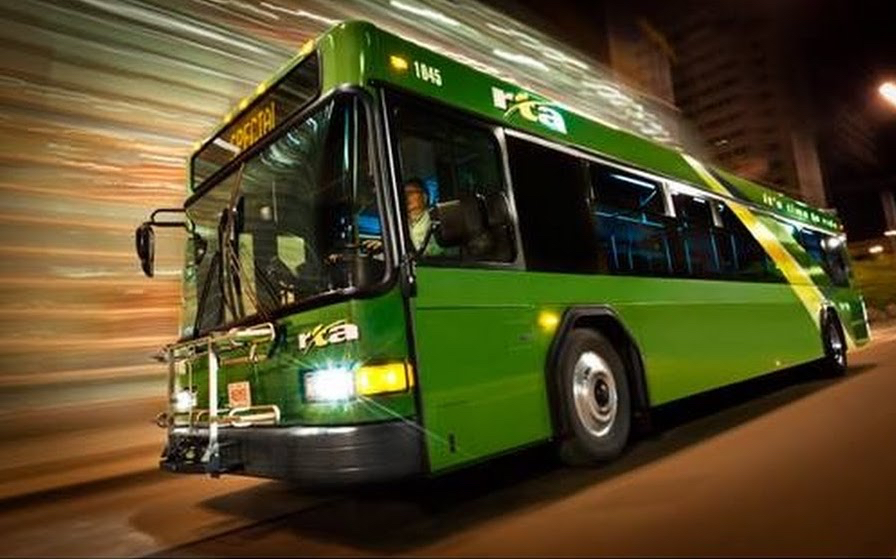
In the run-up to the elimination of cash fares on board its fixed-route buses and trolleybuses today, the Greater Dayton RTA had reduced cash payments to less than 10% of all trips, while 92% of the trips were paid for with digital payments–either...
As more transit agencies introduce open-loop fare payments, interest is starting to grow in use of white-label EMV cards that agencies can issue in place of proprietary closed-loop cards for riders who don’t have bank cards or don’t want to use them to...
Transit agencies that have rolled out open-loop contactless payments are seeing growing use of NFC wallets to pay fares, as Covid-wary passengers see convenience in tapping their phones or wearables to pay. [...]
Cookies are small text files that can be used by websites to make a user's experience more efficient. The law states that we can store cookies on your device if they are strictly necessary for the operation of this site. For all other types of cookies we need your permission. This site uses different types of cookies. Some cookies are placed by third party services that appear on our pages.
For more information on how Google's third party cookies operate and handle your data, see: Google's Privacy Policy
Necessary cookies help make a website usable by enabling basic functions like page navigation and access to secure areas of the website. The website cannot function properly without these cookies.
Marketing cookies are used to track visitors across websites. The intention is to display ads that are relevant and engaging for the individual user and thereby more valuable for publishers and third party advertisers.
Preference cookies enable a website to remember information that changes the way the website behaves or looks, like your preferred language or the region that you are in.